Ask most men over 45 what's changed most about their day-to-day energy, and a familiar pattern usually comes up: sharper morning start, a harder afternoon slump, and less reserve left by evening than they remember having a decade earlier. Some of that is a normal part of aging. But a surprising amount of it comes down to a handful of daily habits that are easy to overlook — and easy to fix once you notice them.
Why Energy Dips After 45
Several factors compound as men move into their late 40s and beyond: gradually declining testosterone, reduced muscle mass (which affects metabolic rate and stamina), less efficient sleep architecture, and often, more sedentary daily routines than in earlier decades. None of these individually cause a dramatic energy crash — it's the accumulation that tends to show up as a persistent, low-grade fatigue rather than an obvious single cause.
Sleep Hygiene
Sleep quality tends to decline naturally with age — lighter sleep, more nighttime waking, and less deep sleep overall. The good news is that sleep hygiene habits can meaningfully offset a lot of this. Keep a consistent bedtime and wake time, even on weekends. Cut caffeine intake after early afternoon, since caffeine's half-life is longer than most people assume. Keep the bedroom cool, dark, and screen-free in the final 30-60 minutes before bed.
Hydration
Mild dehydration is one of the most underrated causes of daytime fatigue, and thirst sensation naturally becomes less reliable with age — meaning many men are mildly dehydrated well before they feel thirsty. A simple habit: start the day with a full glass of water before coffee, and keep a water bottle visible at your desk or workspace as a passive reminder throughout the day.
Daily Movement
It sounds counterintuitive, but low energy is often better addressed with more movement, not more rest. Sedentary days tend to compound fatigue rather than relieve it. A 15-20 minute walk, especially outdoors and especially in the morning, is one of the most consistently effective non-caffeine energy interventions — it supports circadian rhythm regulation, mild cardiovascular activation, and mood, all of which feed into how energetic a day feels.
Nutrition Timing
Blood sugar swings from large, carbohydrate-heavy meals are a common — and often invisible — driver of the mid-afternoon crash. Structuring meals around a consistent base of protein, fiber, and healthy fats, rather than large refined-carbohydrate portions, tends to produce steadier energy through the day. Skipping meals entirely and then overeating later in the day is another common pattern that tends to backfire on afternoon energy.
Managing Caffeine
Caffeine isn't the enemy, but the way most men use it often works against them. A large coffee first thing in the morning, before cortisol's natural morning peak has settled, can actually blunt caffeine's effectiveness later when it's needed most. Delaying that first cup by 60-90 minutes after waking, and cutting off caffeine intake by early-to-mid afternoon, tends to produce more consistent energy and better sleep quality that night.
Most "low energy" isn't a single problem with a single fix — it's usually two or three small habits compounding against each other. Fixing sleep, hydration, and movement together tends to outperform fixing any one in isolation.
Building a Sustainable Routine
The habits above only work if they're sustainable, which usually means starting with one or two changes rather than overhauling everything at once. A reasonable starting sequence: fix sleep timing first (it affects everything else), add a short daily walk second, and adjust nutrition timing third. Give each change two to three weeks before adding the next one — habits stack better when they're introduced gradually rather than all at once.
Fixing the Afternoon Slump Specifically
The 2-4pm energy dip deserves its own mention because it's the single most common complaint men over 45 raise about daily energy. Part of it is circadian — a natural dip in alertness is a normal part of the body's daily rhythm, not a sign anything is wrong. But it's often made worse by a large, carbohydrate-heavy lunch, a late or oversized coffee, and simply staying seated for hours without a break.
A few targeted fixes tend to help specifically with this window: eat a lunch built around protein and vegetables rather than a large portion of refined carbohydrates, take a five-to-ten minute walk shortly after lunch instead of returning straight to a desk, and if you still want caffeine in the afternoon, keep it small and early rather than a full cup at 3pm, which will likely interfere with that night's sleep.
Why Weekend Consistency Matters More Than Expected
A pattern worth calling out: many men maintain reasonably good weekday habits and then let sleep timing, alcohol intake, and activity levels slide completely on weekends. The problem is that this creates a mini version of jet lag every Monday — a mismatch between your body's adjusted weekend rhythm and the schedule you're asking it to return to. Keeping wake time within about an hour of your weekday schedule, even on weekends, tends to prevent a meaningful chunk of the "Monday fatigue" a lot of men attribute to the workweek itself rather than to their own weekend routine.
A Simple Way to Track What's Actually Working
Because energy is subjective and easy to misjudge day-to-day, a short, low-effort tracking habit makes a real difference in figuring out which changes are actually helping. Each evening, jot down a single number from 1-10 for how your energy felt that day, along with one line noting anything unusual — poor sleep, a big meal, extra stress, more movement than usual. After two to three weeks, patterns tend to become obvious in a way they never are in the moment.
This doesn't need to be elaborate — a notes app entry takes fifteen seconds. The value isn't in the data itself, it's in creating a feedback loop between what you did and how you felt, which is often the missing piece that turns vague lifestyle advice into habits that actually stick.
The Bigger Picture
Energy after 45 isn't about chasing the same relentless output you had at 25 — it's about building a routine that reliably supports the day you actually want to have. Small, boring, repeatable habits consistently outperform dramatic short-term fixes, and the men who report the steadiest energy long-term are usually the ones who've simplified their routine rather than complicated it.
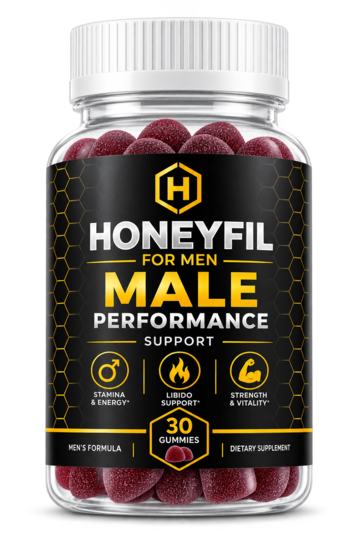
Support Your Routine, Naturally
HoneyFil's formula is designed to complement a healthy daily routine, not replace it.
View HoneyFil PackagesFrequently Asked Questions
What's the single best change for more energy after 45?
Consistent sleep timing tends to have the biggest single impact, since it affects hormone regulation, mood, and how well every other habit on this list actually works.
Does exercise help or hurt energy levels when you're already tired?
Light to moderate movement, like a short daily walk, generally helps rather than hurts — it's a different mechanism from the kind of fatigue that comes from overtraining or poor recovery.
How long until lifestyle changes affect daily energy?
Sleep and hydration changes can show a noticeable difference within one to two weeks. Nutrition and movement habits often take three to four weeks of consistency to fully settle in.